

Family portraits have existed for centuries. Long before smartphones and digital cameras, families commissioned artists to paint portraits that captured their likeness and preserved important memories. These portraits were not just decorative artwork—they were historical records of family identity and relationships.
Today, photography has largely replaced traditional painted portraits. Yet in recent years, something interesting has happened. Many families are returning to artistic portraits again, but in a modern way. Instead of commissioning traditional oil paintings, people are turning photographs into watercolor family portraits.
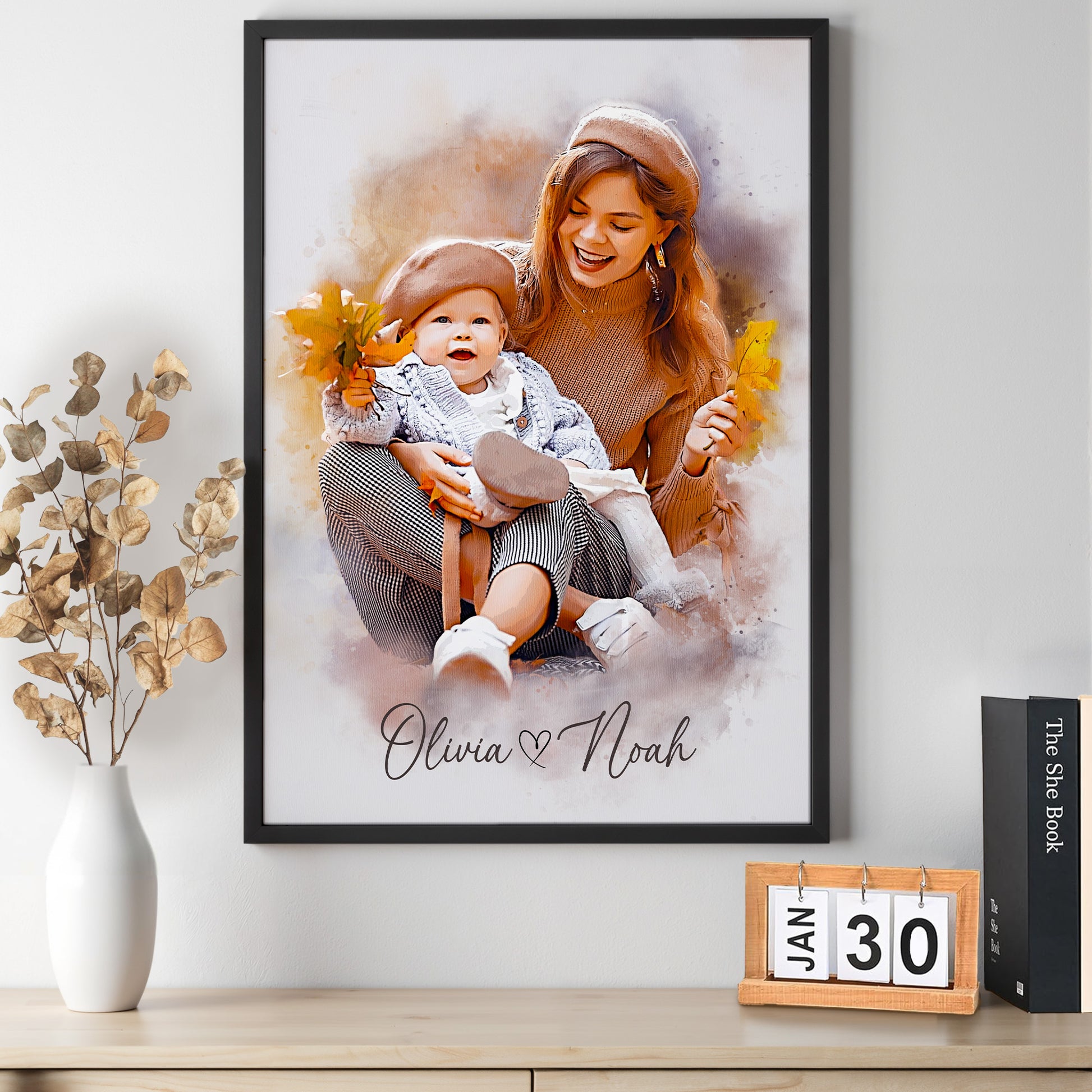
A watercolor family portrait transforms a real photo into a soft, artistic piece of artwork. It keeps the memory of the photograph while adding warmth, emotion, and artistic interpretation. Because of this combination of art and memory, watercolor portraits have become one of the most popular forms of personalized artwork for families.
From Mother’s Day gifts to family keepsakes, watercolor portraits are increasingly appearing in homes around the world. They are displayed in living rooms, hallways, and bedrooms as reminders of family moments that matter most.
In this complete guide, we’ll explore everything you need to know about watercolor family portraits—what they are, how they’re created, why they’re so popular, and how families use them to preserve meaningful memories.
What Is a Watercolor Family Portrait?
A watercolor family portrait is a piece of artwork created from a photograph and painted in a watercolor style. The portrait typically includes family members—such as parents, children, or multiple generations—and transforms the original photo into a soft, artistic representation.
Instead of displaying a plain photograph, families receive a stylized portrait that looks like a hand-painted watercolor painting.
Watercolor portraits are known for their distinctive visual characteristics:
-
soft brush textures
-
gentle color blending
-
light and airy tones
-
expressive artistic interpretation
These qualities give watercolor portraits an emotional warmth that photographs sometimes lack.
In a typical process, a customer selects a meaningful family photo and submits it to an artist or designer. The artist then recreates the image using watercolor techniques, carefully preserving the faces and emotional essence of the original photograph.
The result is a piece of artwork that captures the memory while adding artistic beauty.
The History of Watercolor Portrait Art
Watercolor painting has a long and fascinating history in art.
The medium itself dates back thousands of years. Early forms of watercolor painting were used in ancient civilizations such as Egypt and China, where artists applied water-based pigments to papyrus and paper.
During the Renaissance, watercolor became more refined as artists experimented with transparent pigments and layered painting techniques. By the 18th and 19th centuries, watercolor painting had become a respected art form across Europe.
Artists used watercolor for many types of artwork, including:
-
landscapes
-
botanical illustrations
-
travel sketches
-
portraits
Because watercolor pigments are transparent and blend easily with water, the medium allows artists to create delicate tones and expressive brushwork.
Over time, watercolor portraits became known for their emotional softness and natural appearance. This made them particularly suitable for depicting people and family scenes.
Today, modern artists combine traditional watercolor techniques with digital tools to create custom portraits from photographs. This approach preserves the beauty of watercolor art while making it accessible to families everywhere.
How a Watercolor Family Portrait Is Created
Creating a watercolor family portrait involves several steps that transform a photograph into artwork.
Although the exact process may vary depending on the artist, most portraits follow a similar workflow.
Step 1: Choosing the Right Photo
The process begins with selecting a photograph that represents a meaningful family moment.
Common choices include:
-
family portraits
-
mother and child photos
-
wedding photos
-
holiday memories
-
childhood pictures
The most successful portraits usually come from photos with good lighting and clear facial details.
Emotional significance is often more important than technical perfection. A photo that captures genuine smiles or a special memory can make the final portrait much more meaningful.
Step 2: Artist Interpretation
Once the photo is selected, the artist studies the composition and begins interpreting it in watercolor style.
Instead of copying the image exactly, the artist reimagines the photo using watercolor techniques. This often involves:
-
simplifying backgrounds
-
adjusting lighting and colors
-
enhancing emotional expression
The goal is not to replicate the photo pixel by pixel, but to capture its essence through art.
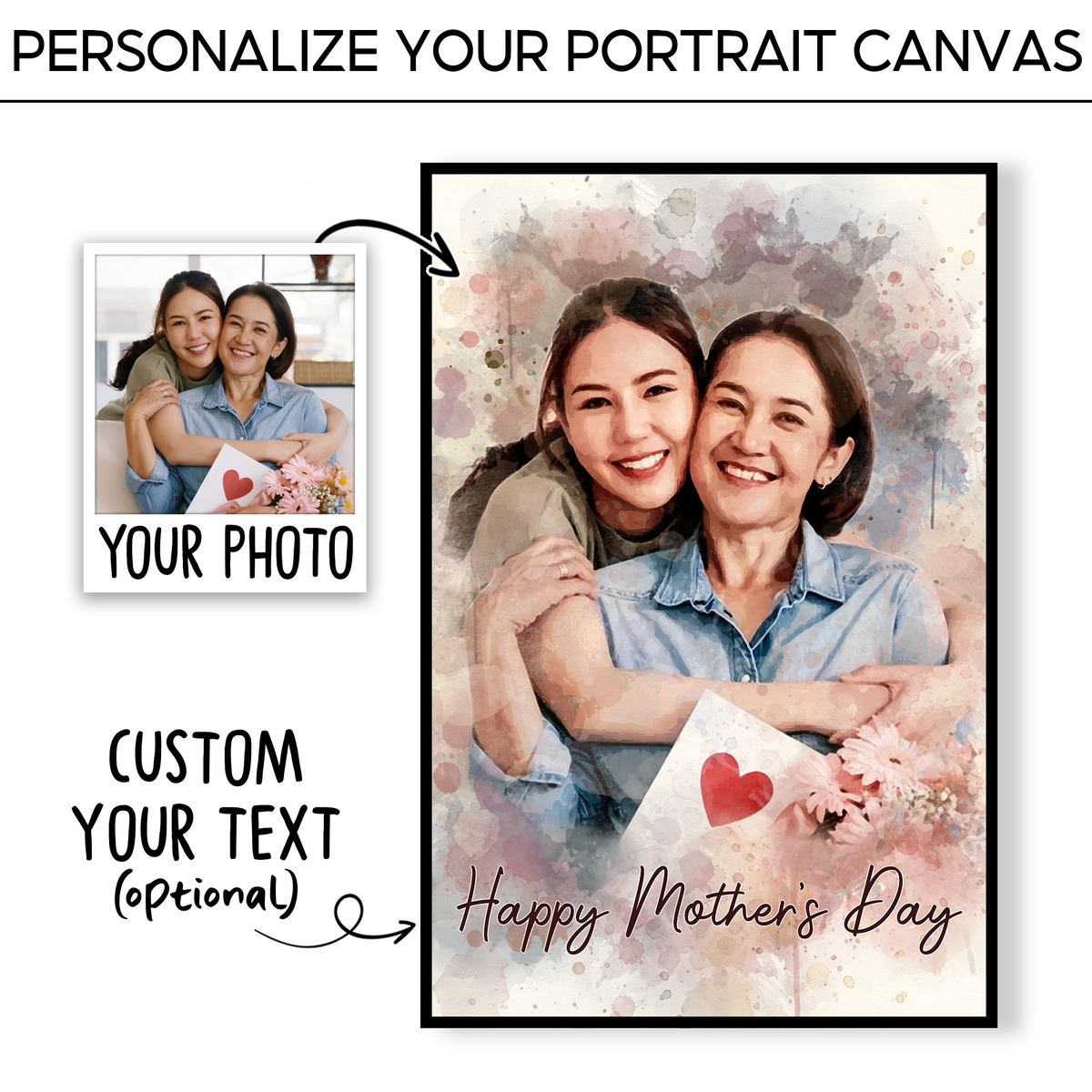
Step 3: Creating the Watercolor Artwork
The artist then paints the portrait using watercolor methods. Depending on the workflow, this may involve:
-
traditional painting on paper
-
digital watercolor painting
-
a hybrid process combining both techniques
The artist carefully recreates facial features, clothing, and colors while maintaining the soft brush textures that watercolor is known for.
This stage requires significant artistic skill because watercolor is a delicate medium that doesn’t allow easy corrections.
Step 4: Final Portrait Delivery
After the artwork is complete, the portrait is prepared for delivery.
The finished piece may be delivered as:
-
a digital artwork file
-
a printed canvas
-
a framed art print
Many families choose to frame their watercolor portraits and display them in their homes.
Why Watercolor Portraits Are So Popular for Families
Watercolor portraits have become extremely popular in recent years. Several factors explain why families are increasingly choosing this artistic style.
Soft and Emotional Visual Style
Watercolor paintings are known for their soft edges and gentle color transitions.
Unlike bold acrylic or oil paintings, watercolor portraits feel light and emotional. The brush strokes blend naturally with the paper texture, creating an organic and expressive appearance.
For family portraits, this softness enhances the emotional atmosphere of the artwork.
A Timeless Artistic Look
Watercolor portraits have a timeless aesthetic.
Because watercolor painting has been used for centuries, the style does not feel tied to any particular trend. A well-made watercolor portrait can look just as beautiful decades from now as it does today.
This makes watercolor portraits ideal as long-term keepsakes.
Perfect for Family Memories
Family portraits are often associated with meaningful life moments. Watercolor art adds an emotional layer that emphasizes the connection between family members.
The artistic interpretation often highlights expressions, gestures, and body language that make the portrait feel alive.
Beautiful Home Decor
Another reason watercolor portraits are popular is their decorative value.
Unlike standard photographs, watercolor paintings look like gallery artwork. They can complement many interior design styles, including:
-
minimalist décor
-
farmhouse décor
-
modern interiors
-
traditional homes
Because of this versatility, many families proudly display watercolor portraits as part of their home décor.
Different Types of Watercolor Family Portraits
There are many different types of watercolor family portraits depending on the family structure and the memory being captured.
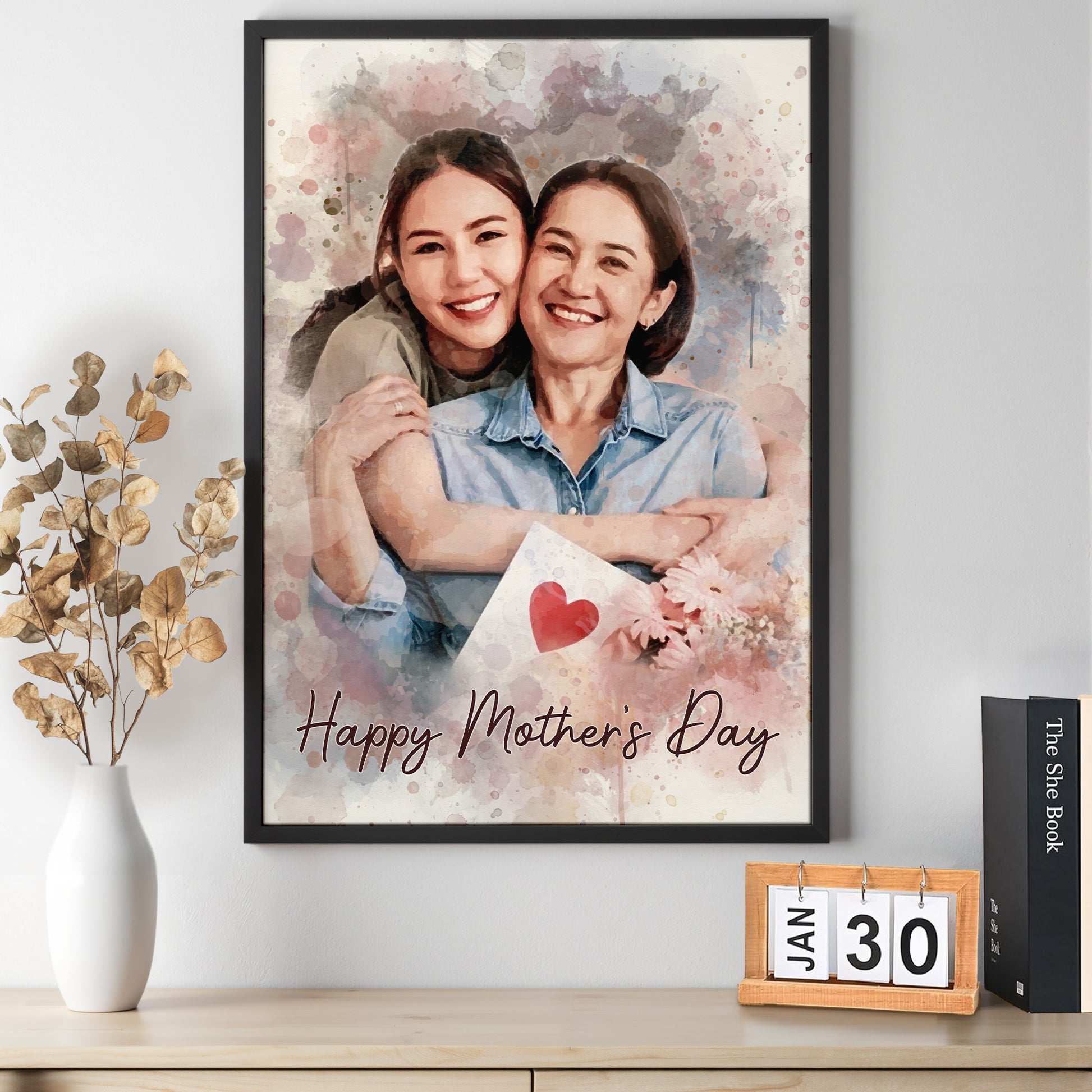
Mother and Daughter Watercolor Portrait
Mother-daughter portraits are among the most popular.
These portraits often capture moments of affection, such as hugs, laughter, or shared experiences. Many daughters choose watercolor portraits as gifts for their moms because the artwork symbolizes their bond.
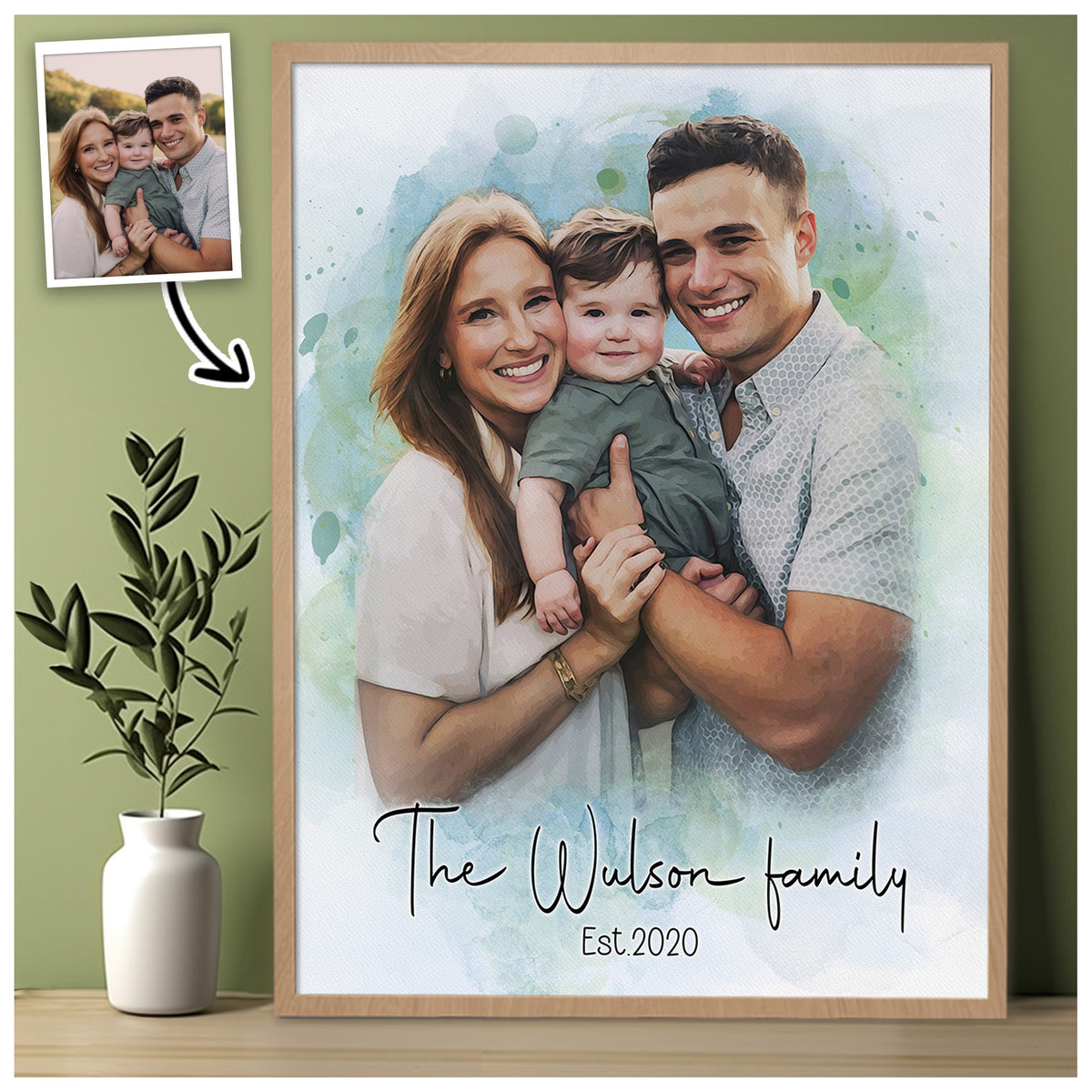
Parents and Kids Family Portrait
Traditional family portraits typically include both parents and their children.
These portraits often represent family unity and are commonly displayed in living rooms or hallways.
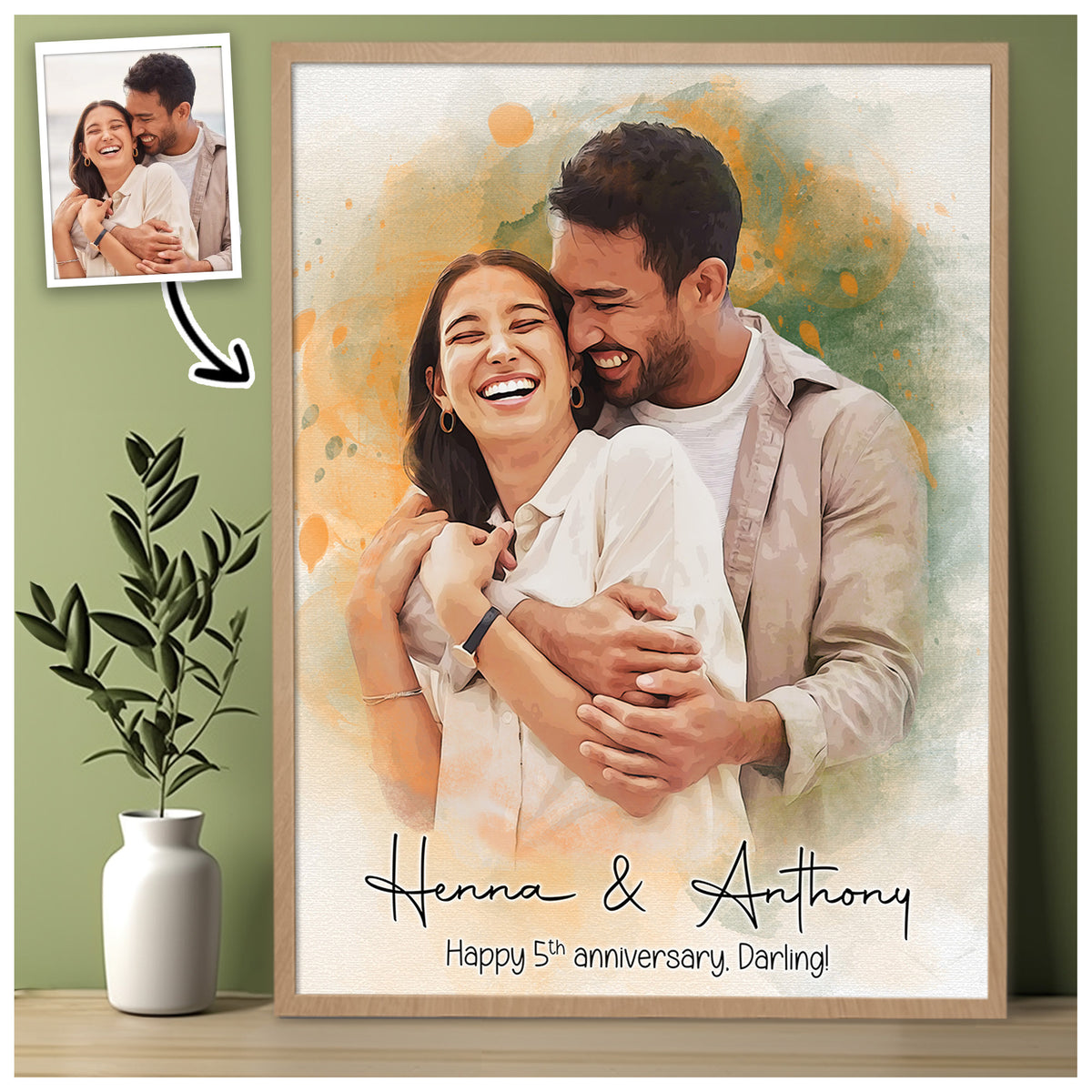
Couple Watercolor Portrait
Couple portraits focus on romantic relationships between partners. These portraits are often given as anniversary gifts or wedding keepsakes.
Mom and Grandchildren Portrait
Portraits that include grandchildren are particularly meaningful for grandmothers.
These artworks celebrate the continuation of family generations and often become treasured keepsakes.

Multi-Generation Family Portrait
Some portraits include three or more generations, such as grandparents, parents, and children.
These artworks represent family history and heritage.
Watercolor Portrait vs Other Portrait Styles
There are several different portrait styles available today. Understanding their differences can help families choose the best option.
Watercolor Portrait
Watercolor portraits feature soft brush strokes and blended colors. They are known for their emotional warmth and artistic elegance.
Line Art Portrait
Line art portraits use minimalist outlines to represent people. This style is modern and stylish but typically lacks color and shading.

Digital Painting Portrait
Digital painting portraits use advanced software to simulate oil painting or acrylic painting styles. These portraits can be highly detailed and dramatic.

Cartoon Portrait
Cartoon portraits exaggerate features in a playful way. They are often used for fun gifts rather than emotional keepsakes.
Among these styles, watercolor portraits often strike the best balance between artistic beauty and emotional expression.

When People Order Watercolor Family Portraits
Watercolor portraits are popular for many occasions.
Mother’s Day Gifts
Mother’s Day is one of the most common times people order watercolor portraits.
A portrait of a mother and her children can be a deeply meaningful gift that celebrates motherhood.
Birthdays
Birthday gifts often focus on celebrating the person’s life and memories. A portrait created from a meaningful photo can reflect those memories.
Christmas
During the holiday season, many families exchange personalized gifts that represent togetherness.
Watercolor portraits fit perfectly within this tradition.
Family Milestones
Portraits are also commissioned for special milestones such as:
-
anniversaries
-
new homes
-
family reunions
-
the birth of a child
In each case, the portrait preserves a moment in time.
How to Choose the Best Photo for a Watercolor Portrait
The success of a watercolor portrait often depends on the photo used as reference.
Here are a few tips for choosing the best image.
Look for Emotional Moments
Photos that capture genuine emotion tend to produce the most powerful portraits.
Examples include:
-
laughter
-
hugs
-
candid family moments
Choose Good Lighting
Photos with natural lighting and clear details help artists accurately recreate facial features.
Avoid images that are too dark or blurry.
Focus on Connection
Images showing interaction between family members often translate beautifully into portraits.
The connection between people becomes the focal point of the artwork.
How to Display a Watercolor Family Portrait at Home
Once a portrait is complete, many families display it proudly in their homes.
Common display locations include:
Living Room
Living rooms are often the most visible space in a home, making them ideal for displaying family artwork.
Hallway Gallery Walls
Many homes feature gallery walls filled with family photos and artwork. A watercolor portrait can become the centerpiece of such displays.
Bedroom
Some families prefer to place portraits in bedrooms where they create a more personal and intimate atmosphere.
Entryways
Entryways are another popular location because they allow visitors to immediately see meaningful family artwork.
Are Watercolor Portraits Good Gifts for Moms?
Watercolor portraits are especially meaningful gifts for mothers.
Many moms treasure artwork that represents their children and family memories. A portrait of a special moment—such as a photo from childhood—can evoke powerful emotions.
Because the portrait becomes part of the home décor, it serves as a constant reminder of the people she loves most.
For daughters searching for meaningful gifts, watercolor portraits often combine the best elements of personalization, art, and emotional storytelling.
Final Thoughts: Turning Family Memories Into Art
Family memories are among the most valuable things we have. Moments with loved ones shape our lives and create the stories that define our families.
A watercolor family portrait transforms those moments into something lasting.
Instead of remaining as a digital photo on a phone, the memory becomes artwork—something that can be displayed, admired, and passed down through generations.
For families who want to celebrate their connections and preserve meaningful moments, watercolor portraits offer a beautiful way to turn memories into art.


